
VVS moissanite describes a Very Very Slightly Included clarity grade; the upgrade provides no visible difference on small iced out stones and is only cost-effective for large center-stone pendants.

If you’ve shopped for moissanite hip hop jewelry, you’ve seen “VVS” on nearly every listing, almost always paired with a higher price. Across men’s jewelry communities, this is one of the most heavily debated marketing tactics: many buyers suspect the label is mostly hype, while others assume it guarantees a noticeably higher-quality piece. The truth falls in between, and many brands intentionally blur the line to justify steep markups on grades most people will never see.
This guide breaks down standard clarity grading, real-world visibility in iced out designs, common industry scams, and how to judge value piece by piece — so you only pay for upgrades that actually show.
Moissanite Clarity Grades: What Each Tier Actually Means

Clarity grades measure the size and location of internal inclusions; all VS-grade and above moissanite appears completely clean to the naked eye.
Moissanite follows the same clarity naming scale used for diamonds, but lab-grown moissanite is inherently far more uniform than natural diamond. Most production-grade moissanite already lands in the VS to VVS range straight from the factory, which is why “VVS upgrade” pricing is often inflated.
| Clarity Grade | Official Definition | Naked-Eye Visibility | Best Iced Out Jewelry Use Case |
|---|---|---|---|
| FL / IF | Flawless / Internally Flawless. No internal inclusions visible under 10x magnification. | None | High-end custom large-stone pendants; collector pieces |
| VVS1 | Minute inclusions; extremely difficult to locate under 10x magnification. | None | Large statement center stones |
| VVS2 | Tiny inclusions; slightly easier to find under 10x magnification, but still minuscule. | None | Medium-to-large pendants; premium line pieces |
| VS1 / VS2 | Minor inclusions visible under magnification, but not obvious. | None | Fully iced cuban chains, tennis bracelets, small pendants |
| SI1 / SI2 | Noticeable inclusions under magnification. | Rarely, only on very large stones | Budget accent stones; entry-level pieces |

Key atomic facts
- The difference between VVS1 and VVS2 is only the location of inclusions, not their size.
- Stones 3mm and smaller show zero visible clarity difference at normal conversational distance.
- Most mass-produced moissanite is VS grade by default; VVS requires extra sorting and adds only 10–15% to raw material cost.
For 90% of iced out hip hop jewelry — fully iced cuban links, tennis chains, pendants set with many small stones — VS and VVS perform identically in daily wear. This is the core reason experienced buyers in community discussions call broad “VVS all-around” pricing an unnecessary upsell.
Why VVS Hype Dominates Budget Moissanite Marketing

(VVS Marketing vs Real Value)
VVS is overmarketed because it sounds premium, costs very little extra to produce, and most buyers have no way to verify the claim.
There are three recurring industry patterns that lead buyers to overpay for clarity they cannot see.
-
Generic uncertified VVS labelingMost budget sellers advertise every stone as VVS grade but provide no independent verification — only a generic in-house printed card. Because almost no customer owns a 10x jeweler’s loupe, the claim goes unchecked. This allows brands to charge a 20–40% premium with no added material value.
-
Positioning VVS as a luxury brand differentiatorSome brands frame VVS clarity as their signature premium upgrade and charge two to three times more for identical designs. The raw material gap between VS and VVS is far smaller than the retail price gap; most of the markup funds marketing, not better stones.
-
Misleading certificate claimsGeneric printed “GRA certificates” are extremely easy to replicate, and many low-priced sellers include one with every order regardless of actual stone quality. A paper certificate alone is not proof of clarity grade; verifiable, numbered lab reports from independent third parties carry real weight.
None of this means VVS moissanite is inherently a scam. It means VVS alone is not a reliable marker of overall quality, and it is rarely the most impactful upgrade you can make to a piece.
For a breakdown of other quality signals that actually matter, see our guide on how to spot well-made iced out jewelry.
When VVS Moissanite Is (and Isn’t) Worth the Extra Cost

VVS clarity is only cost-effective on large center-stone pendants; it delivers no visible benefit on small-stone chains and micro pavé pieces.
Whether the premium makes sense depends almost entirely on stone size and how the piece is worn.
Not worth upgrading
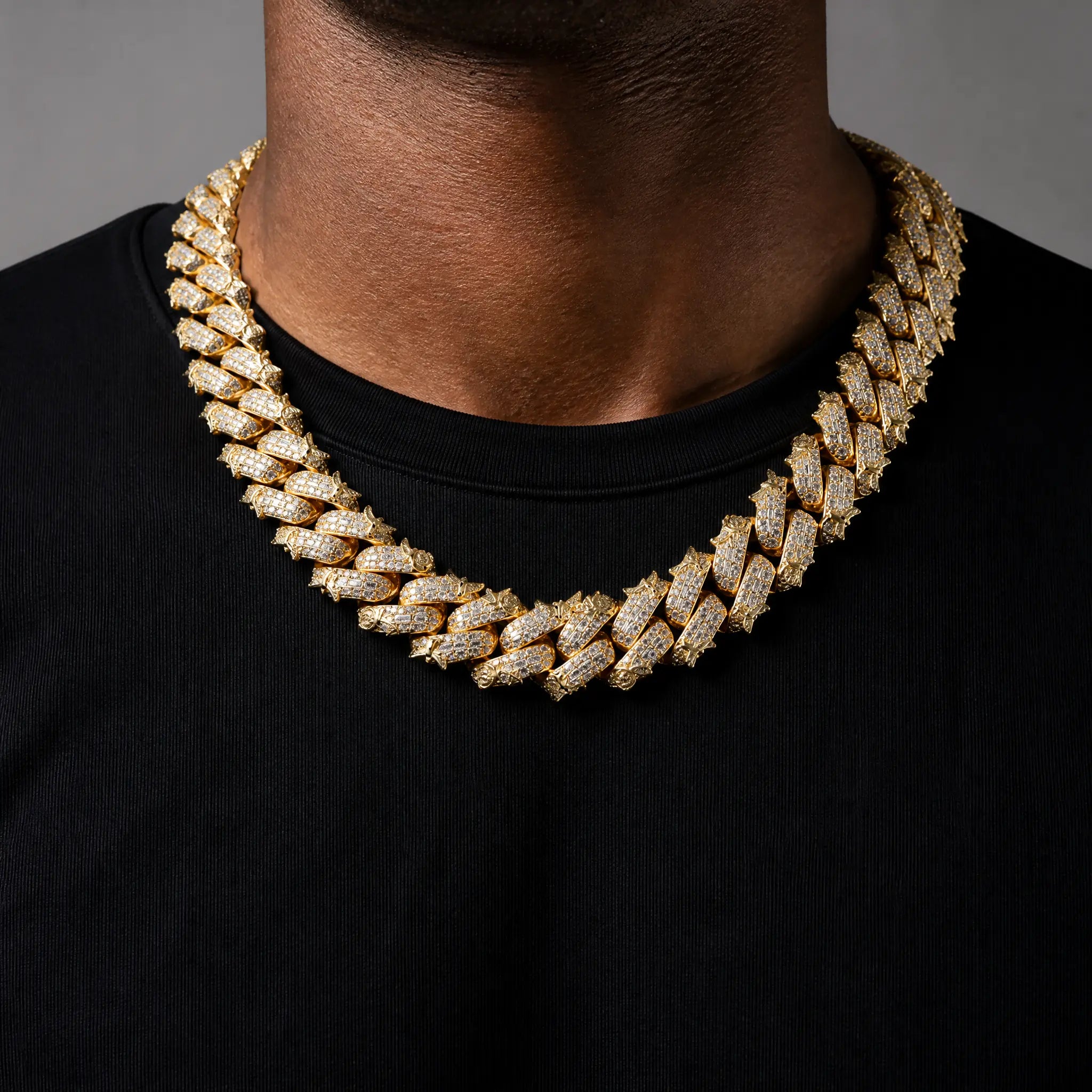
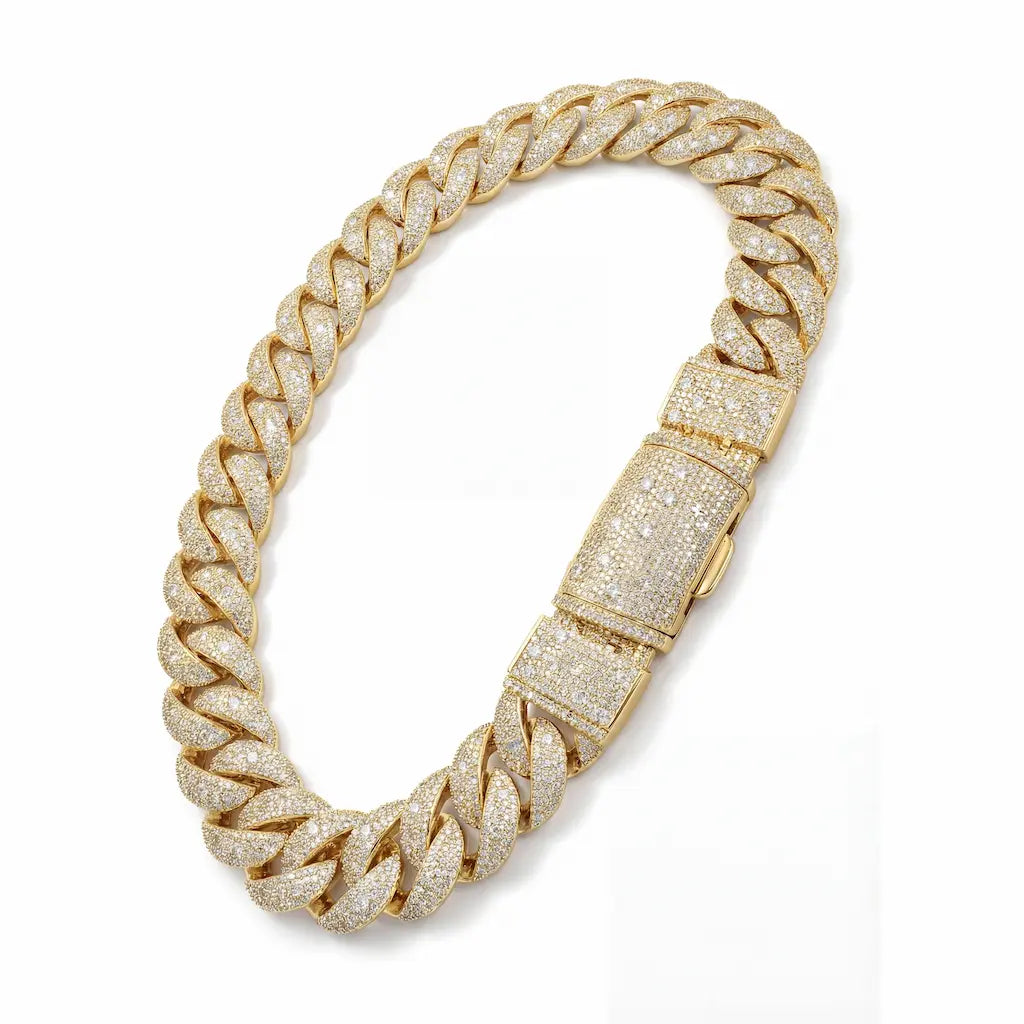
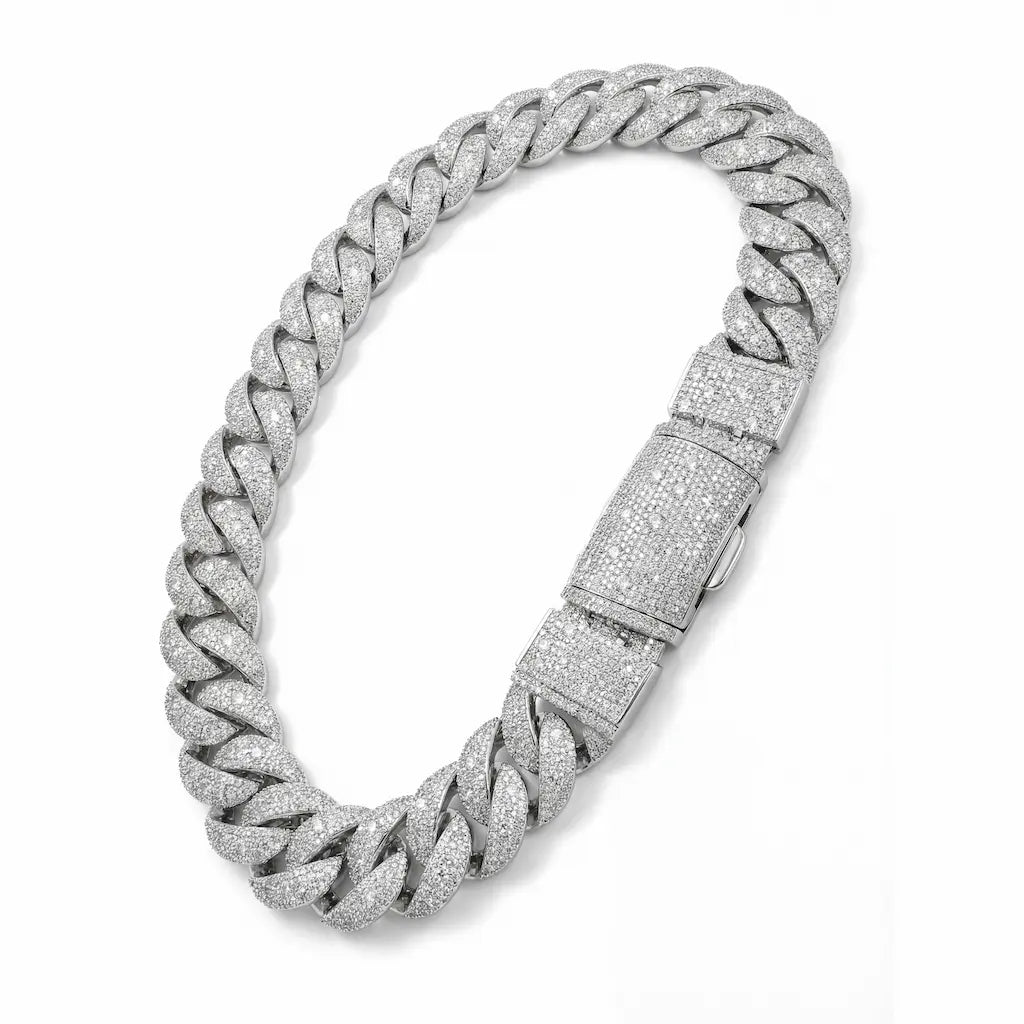
- Fully iced cuban links & tennis chains: On micro pavé with 1–3mm stones, clarity differences are invisible at normal viewing distance. Sparkle comes from cut and stone alignment, not internal clarity. For daily wear chains, VS grade looks identical for significantly less money.
- Small pendants & letter charms (under 1.2”): With small surface area and lots of metal framing, clarity has almost no impact on appearance. Well-cut VS stones sparkle the same as VVS in these designs.
- Side stones and accent stones: Stones set along edges or around a center stone are never viewed closely enough to show clarity differences.
May be worth a reasonable premium
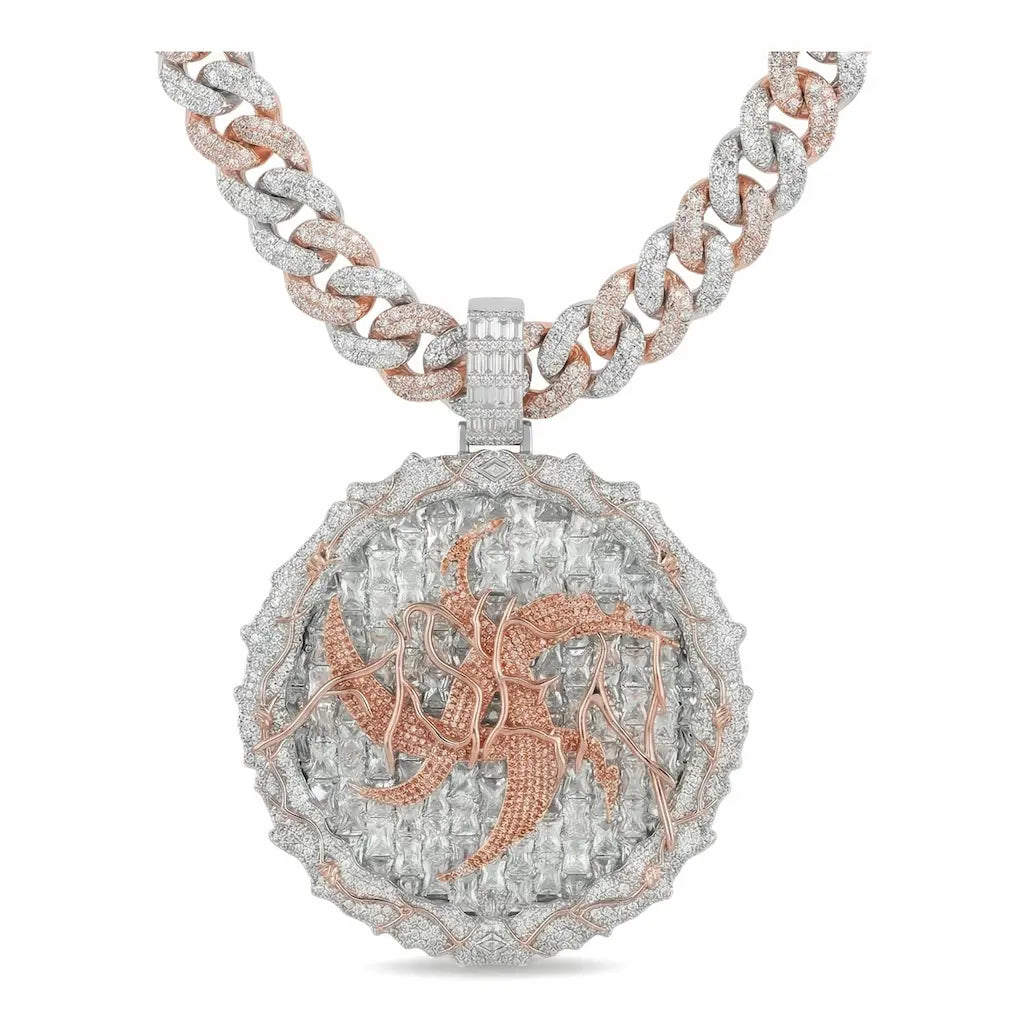
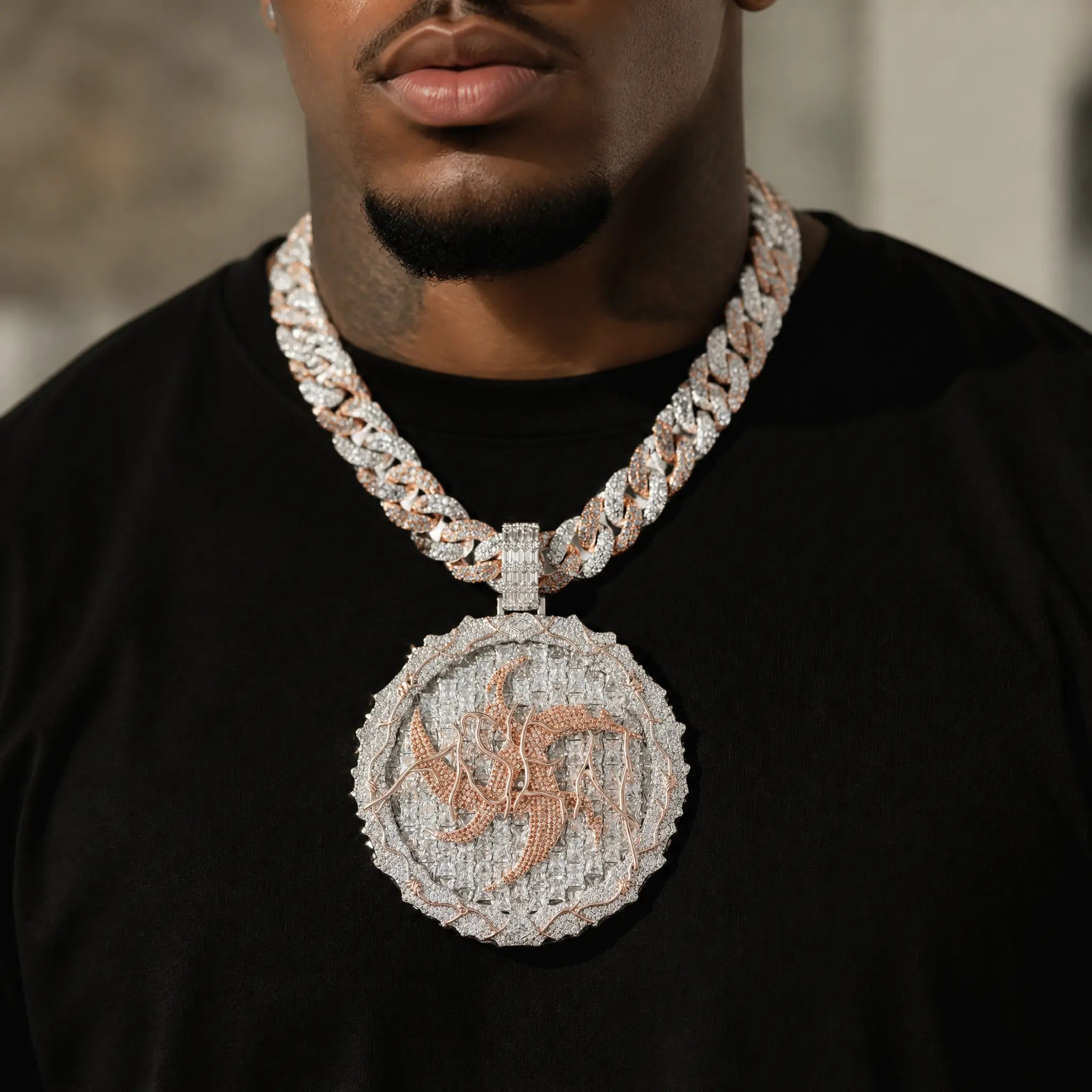
- Large center-stone pendants (1.5”+): On big statement pieces where one large stone is the focal point, higher clarity looks cleaner and more uniform, especially in bright daylight. This is the category where the upgrade delivers the most real visual value.
- Front-facing custom grillz stones: Stones in highly visible front positions benefit more from clean clarity than stones set into the side of a chain.
As a general rule: if you cannot point to the exact stone that is VVS and explain why you need it, you probably do not need to pay extra for it.
3 Factors That Matter More Than Clarity for Iced Out Jewelry
Cut quality, color grade, and setting craftsmanship have a bigger impact on how expensive moissanite jewelry looks than clarity grade.
Clarity gets most of the marketing attention, but for hip hop iced out pieces, three other factors drive visual quality far more.
-
Cut qualityWell-cut stones reflect light evenly and look bright from every angle. Poorly cut stones look dull and glassy, even if they are VVS grade. This is the single most important factor for sparkle, and it is almost never advertised by budget brands.
-
Color gradeColorless (D–F) moissanite looks crisp and diamond-like. Lower-grade stones with yellow or gray tints look cheap very quickly, even with high clarity. For yellow gold settings, near-colorless grades can work well; for silver and white gold, colorless stones almost always look better.
-
Setting craftsmanshipEven the best stones look cheap if they are set crookedly, with visible glue, or uneven spacing. Clean, uniform micro-pavé setting makes a bigger visual difference than any clarity upgrade.
Priority order for most buyers: cut quality > color > setting craftsmanship > clarity. Clarity lands last for everyday wear pieces, but it is almost always the first feature brands advertise.
If you’re comparing moissanite to other stone options, read our full breakdown of moissanite vs cubic zirconia for hip hop jewelry.
How to Spot Fake or Inflated VVS Claims
You can identify unreliable VVS claims by checking for verifiable certification, close-up product imagery, and realistic pricing.
You do not need a gemology degree to avoid overpaying. These four checks filter out most inflated VVS listings.
-
Look for traceable third-party certificationLegitimate VVS pieces come with numbered reports from independent labs that can be looked up online. If a seller only offers a generic in-house card, the grade is unverified.
-
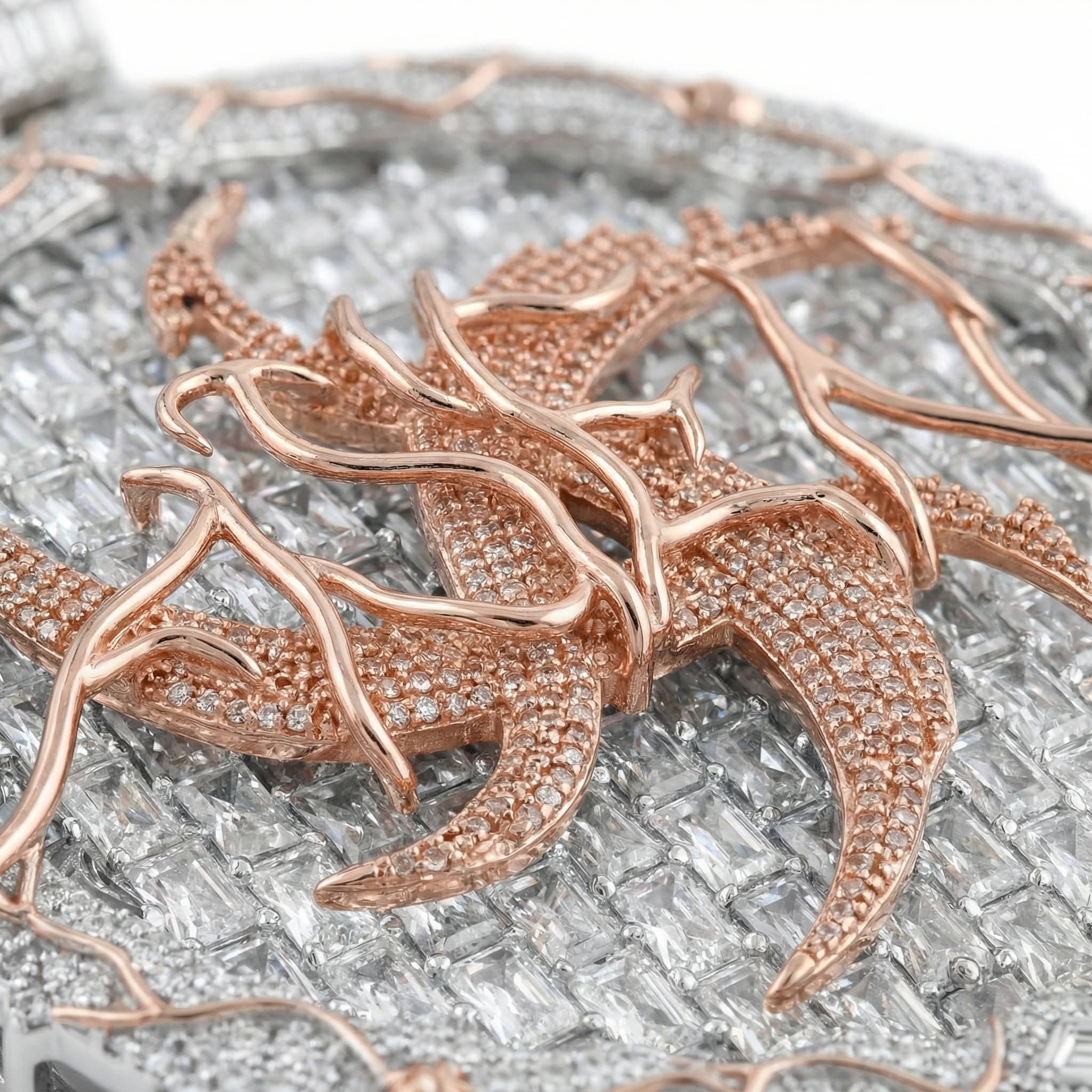
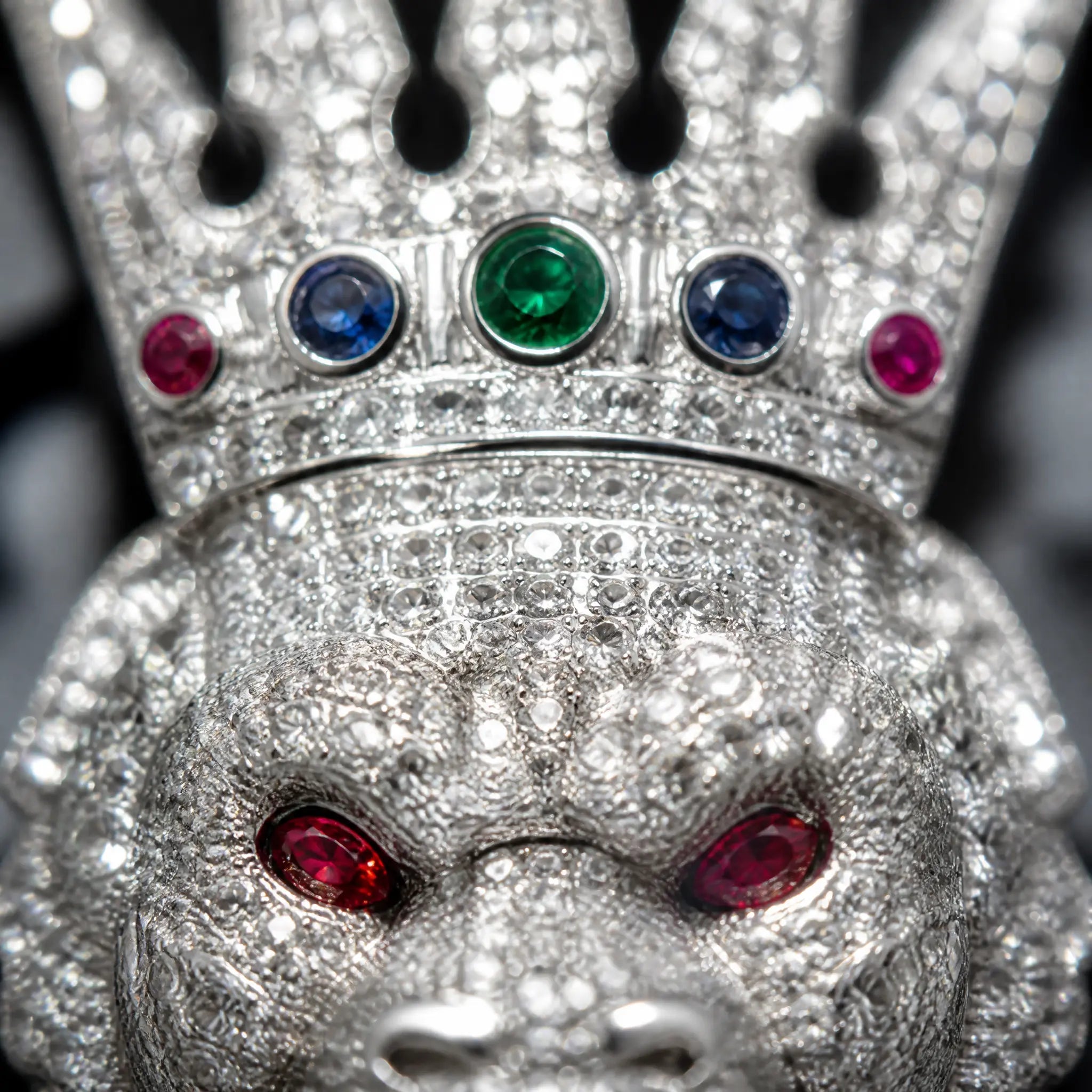
Inspect close-up photos and videoBrands selling real premium VVS stones will show clear, well-lit close-ups of the stone surface. If all product photos are heavily edited or shot only from far away, there is usually a reason.
-
Cross-check against realistic price thresholdsIf a full iced cuban chain is listed under $60 and advertised as VVS moissanite, it is not VVS moissanite. There is a baseline material cost for graded stones, and prices below that threshold always cut corners.
-
Watch for vague marketing languagePhrases like “VVS-level sparkle” or “VVS look” are deliberate loopholes. They sound like a grade claim, but they do not actually promise VVS clarity.
Frequently Asked Questions
What does VVS mean on moissanite jewelry?
VVS stands for Very, Very Slightly Included. It is a gemological clarity grade indicating internal inclusions are extremely small and can only be found with difficulty under 10x magnification. VVS stones appear completely clean to the naked eye.
Is VVS moissanite worth the extra money?
For most fully iced chains and small pendants, no — the clarity difference is not visible in normal wear. For large center-stone pendants and highly visible statement pieces, VVS grade can deliver a cleaner look up close and may be worth a reasonable premium.
Does GIA certify moissanite?
No, the GIA does not issue standard grading reports for moissanite. Any seller claiming GIA-certified moissanite is either misinformed or being misleading. Independent labs such as IGI do provide formal moissanite grading services.
Can you tell VS vs VVS moissanite with your eye?
For stones under 3mm set into chains and small pendants, no. Only on larger center stones viewed up close can most people see any difference at all. Most of the VVS price premium pays for a label, not visible quality.
Does VVS moissanite last longer than lower grades?
No. Clarity grade does not affect durability. All moissanite ranks 9.25 on the Mohs scale and is highly scratch-resistant, regardless of clarity. How long a piece stays looking new depends mostly on plating quality and setting craftsmanship, not stone clarity.
Final Takeaway

VVS moissanite describes a Very Very Slightly Included clarity grade; the upgrade provides no visible difference on small iced out stones and is only cost-effective for large center-stone pendants.
VVS is a real gemological grade, but in iced out hip hop jewelry it is heavily overmarketed and often overpriced. For most everyday chains and small pendants, well-cut VS grade moissanite delivers identical visual results at a much lower cost. The upgrade only becomes meaningful on large statement pieces where the center stone is regularly viewed up close.
The smartest approach is to prioritize cut, color, and build quality first — and only pay for VVS if you can clearly explain why it matters for the specific piece you are buying.
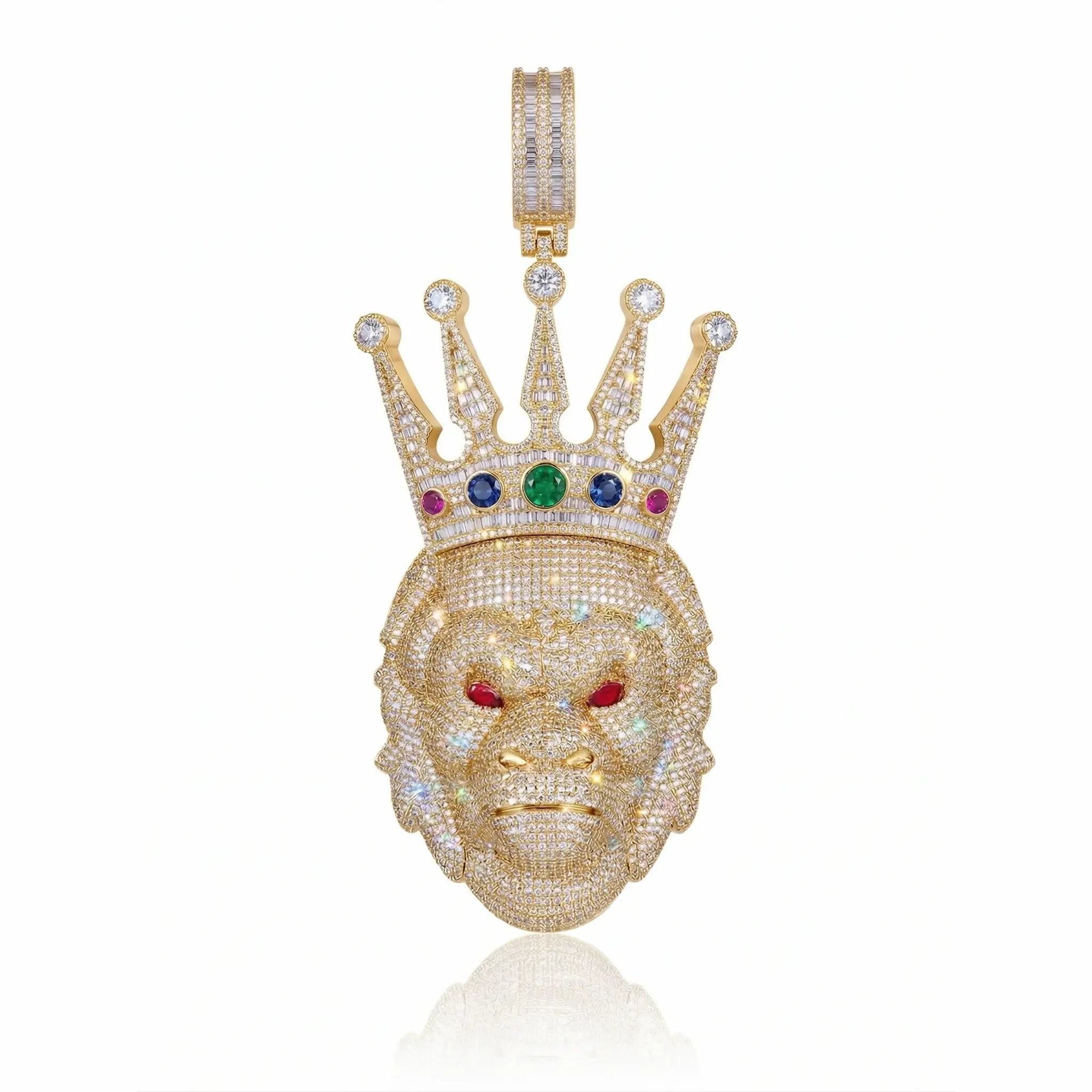
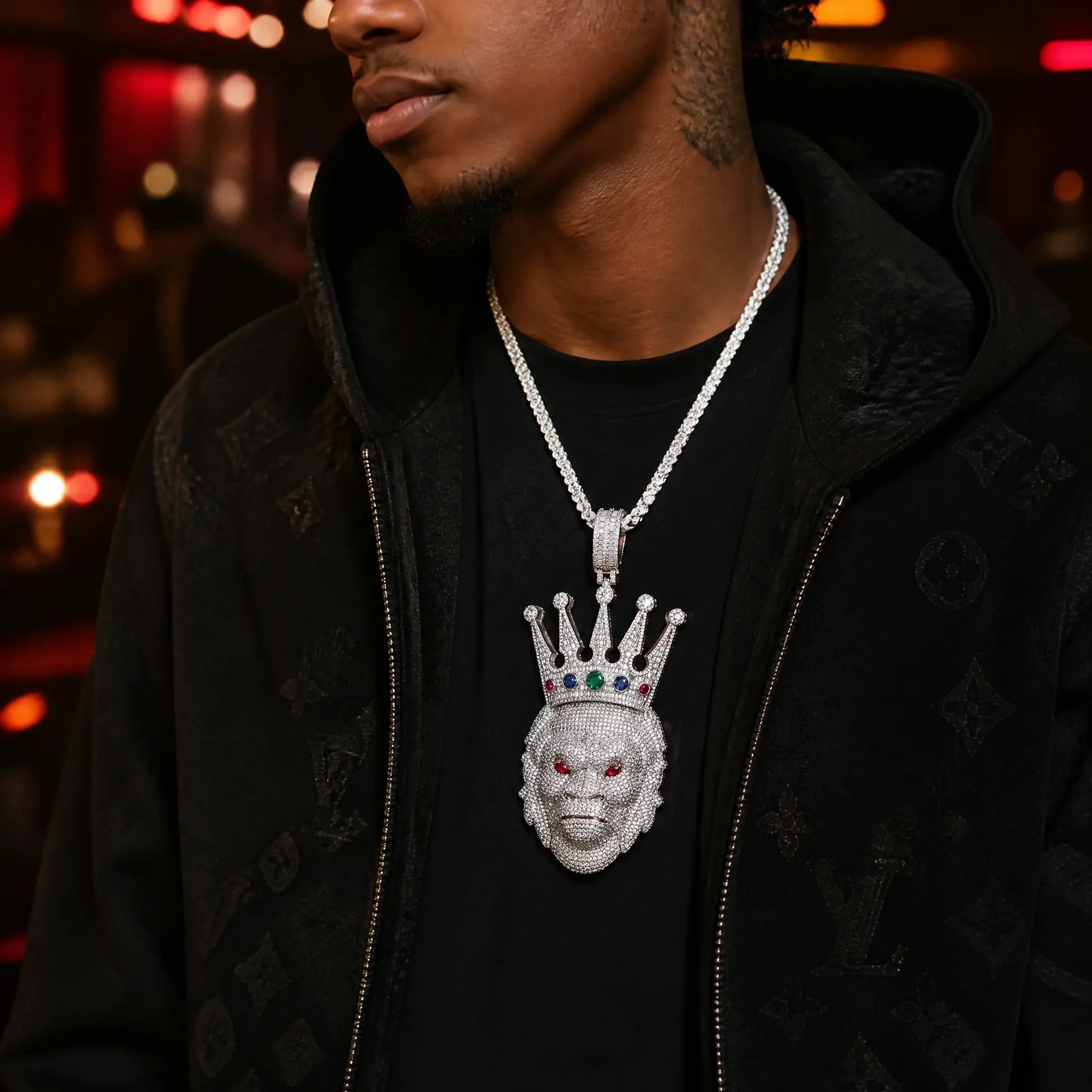
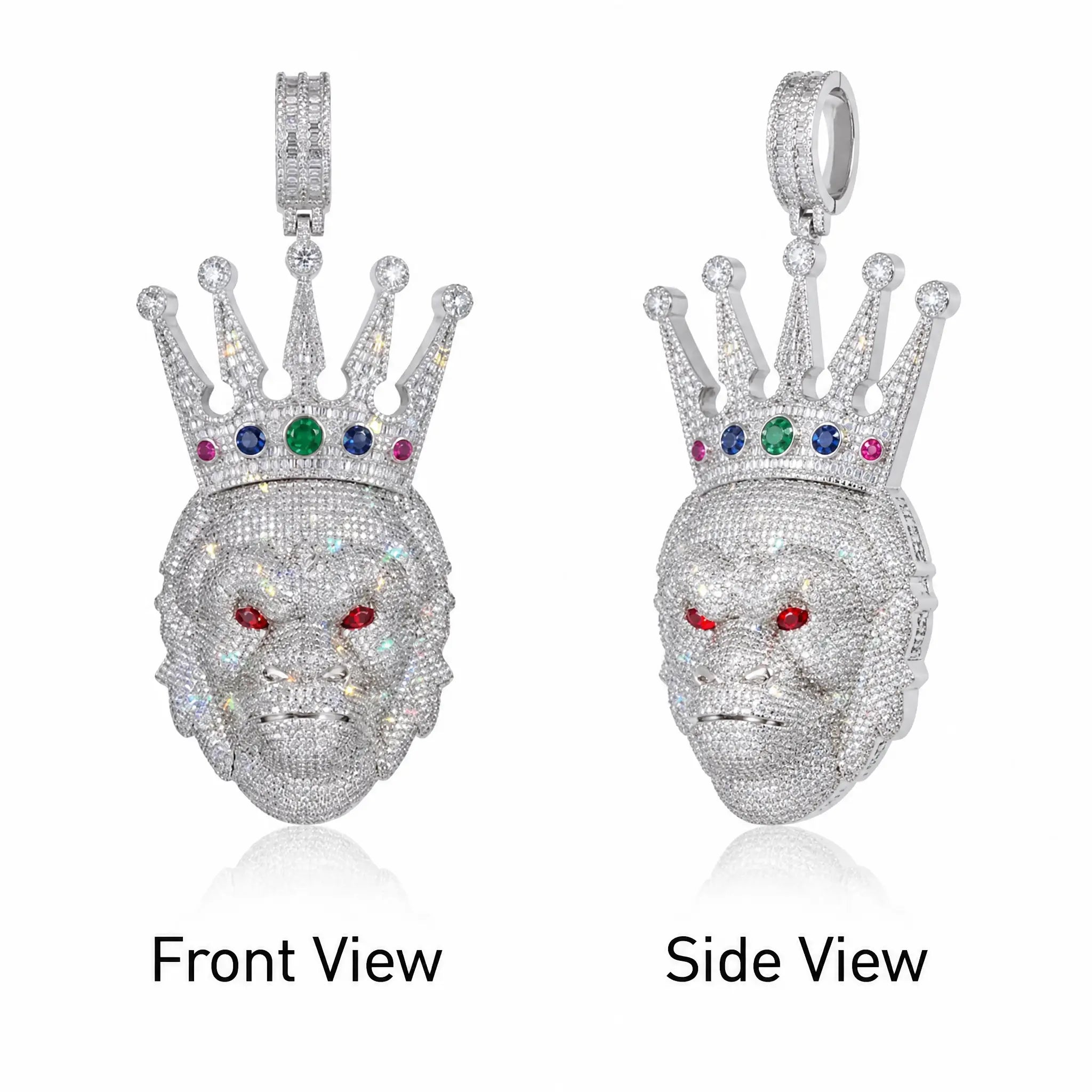
If you’re shopping for transparently graded moissanite pieces with clear stone specs, you can browse Spaceice’s moissanite pendant and chain collection, where we list exact stone grade for every style without inflated clarity marketing.



Why Do Cheap Hip Hop Chains Turn Green? How to Avoid Skin Discoloration